Buyer Persona Blueprint: How to Target Customers and Boost Sales
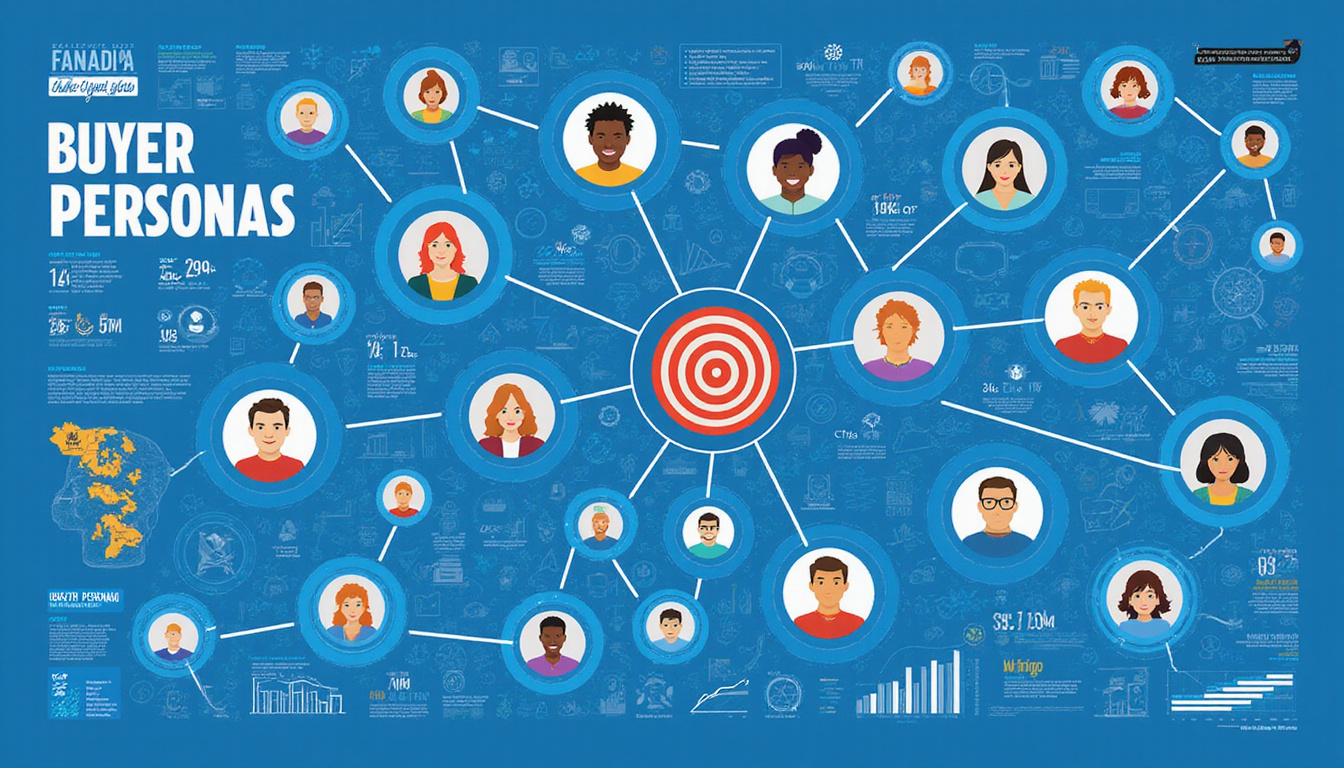
A strong buyer persona changes your marketing. It helps your words reach the right ears. You know who you speak to. You know their wants, their fears, and how they choose. No more guessing. You can sell with strategy. This blueprint shows you how to research, build, and use buyer personas. Follow it to target customers better and boost sales across your funnel.
What Is a Buyer Persona (and Why It Matters More Than Ever)?
A buyer persona acts as a semi-fictional profile of your ideal customer. Real data, research, and smart guesses build it. It is more than simple demographics. It links ideas like:
• Motivations
• Goals and priorities
• Pain points and challenges
• How they decide
• Objections to purchase
• Favorite channels and content
A buyer persona feels like a real person you can talk to. This clarity helps you to:
• Write copy that clicks
• Pick the right channels
• Create better offers and pricing
• Unite sales and marketing around the same “who”
• Improve your product and customer care
In a busy market with individual ads, guessing costs money. Clear personas guide nearly every decision in marketing and sales.
Buyer Persona vs Target Audience vs ICP: Key Differences
These terms get mixed up. Knowing the differences keeps your strategy sharp.
Target Audience
• A wide group of people or companies you want to reach
• Defined by age, location, or behavior
• Example: “Women aged 25–40 in the U.S. who enjoy fitness”
Ideal Customer Profile (ICP)
• Used more in B2B
• Describes the kind of company that fits best
• Looks at industry, size, budget, and tech tools
• Example: “SaaS companies with 50–250 employees, $5M+ revenue, and using Salesforce”
Buyer Persona
• A human profile of the key decision maker or user
• Covers feelings, motivations, goals, and the buying path
• Lives inside your target audience and ICP
• Example: “Marketing Manager at a mid-size SaaS company who wants to prove ROI and grow leads”
Think of it like this:
• ICP asks, “Which companies?”
• Target Audience asks, “Which groups?”
• Buyer Persona asks, “Which people and how do they choose?”
The Business Impact: How Buyer Personas Boost Sales
Time spent on your buyer persona is not just theory. It is a practical way to boost revenue. A buyer persona can:
- Increase conversion rates
• Your words match real pain and speak the right language. - Lower acquisition cost (CAC)
• You spend less on people who will never buy. - Shorten sales cycles
• Teams know buyer concerns early. - Improve product-market fit
• Personas show what customers need next. - Improve retention and growth
• Understanding long-term goals helps with support and upsells.
HubSpot says that companies that document buyer personas hit revenue and lead goals much better (source: HubSpot’s State of Marketing Report).
Personas are not just for the brand. They drive sales.
Step 1: Choose the Right Focus for Your Buyer Persona
Not all customers hold the same value. Choose profitable personas.
Start with Your Best Customers
Review your customers to find:
• The ones with the highest lifetime value
• Those with the lowest churn and highest loyalty
• Clients who move fast from lead to customer
• Those who fit best with few support issues
These groups show the best chance for success. Your first buyer persona should reflect the customers who are most valuable and ideal.
Decide How Many Personas You Need
More personas do not always mean better results. Each persona brings different messaging, offers, and campaigns. As a guide:
• Small business/startup: 1–2 core personas
• Growing company: 3–5 personas
• Enterprise: More personas if each fits a clear market
If you are unsure, start with one primary buyer persona—the one that can drive revenue growth in the next 6–12 months.
Step 2: Gather Data – The Research Behind a Strong Buyer Persona
A strong persona stands on facts, not guesses. You mix qualitative and quantitative research.
1. Customer Interviews (Your Most Valuable Input)
If you do one thing, do this one.
Talk to:
• Your best customers
• New customers to learn their triggers
• Contacts from lost deals
• Customers who left, to learn what went wrong
Aim for 10–20 interviews for your primary persona.
Ask open questions like:
• “What problem did you hope to solve with us?”
• “What was happening that made this a priority?”
• “How did you compare different options?”
• “What almost stopped you from choosing us?”
• “What would success with our service look like?”
• “Where did you go first to explore this problem?”
Record every detail. Keep repeat phrases; you will use them later in your copy.
2. Sales and Support Insights
Your frontline teams offer rich insights.
Ask sales:
• Who wins the most deals and why?
• Which prospects are not a good fit?
• What questions do you hear often?
• What triggers show a buyer is ready?
Ask support:
• What features satisfy our best customers?
• Who struggles the most?
• What “aha moments” lead to loyal use?
• What feedback repeats across customers?
3. Analytics and CRM Data
Use your tools to back up patterns:
• Website data: Which pages do buyers visit? Where do they leave?
• CRM: Which industries, roles, or companies close best?
• Email: Which subjects and topics get clicks?
• Ads: Which audiences and keywords perform best?
4. Market and Competitor Research
Look past your own customers:
• Read competitor case studies and testimonials
• Check reviews on G2, Capterra, or Google Reviews
• Visit forums, Slack groups, subreddits, or Facebook groups
• Use search terms and read blog comments, Q&As
Seek themes. Listen to the language, fears, desires, and goals people mention often.
Step 3: Core Elements of a Powerful Buyer Persona
When your research is done, shape it into a clear profile. A strong buyer persona usually shows:
1. Basic Identity
• A name (e.g., “Scaling Sarah” or “Ops Oliver”)
• Job title or role (or life stage for B2C)
• Company type or industry (if needed)
• Location or region (if needed)
This gives your buyer persona a human feel.
2. Demographic Snapshot
If it affects buying, include:
• Age range
• Gender (if needed)
• Income or company revenue band
• Education level
Use only what matters for your offer.
3. Firmographic Details (For B2B)
• Industry and niche
• Company size (employees, revenue)
• Tools and tech stack
• Business model (B2B, B2C, SaaS, ecommerce, etc.)
These details support targeting and lead qualification.
4. Goals and Success Metrics
What does your persona seek?
• Short-term goals (next 3–6 months)
• Long-term goals
• How they track success, like KPIs or career wins
When your messaging ties directly to these, you gain attention.
5. Primary Challenges and Pain Points
What stands in their way?
• External: budget, tools, team, time
• Internal: skills, confidence, competing loads
• Organizational: approvals, red tape, other stakeholders
Your offer should fix these issues.
6. Buyer Journey and Decision Process
Show how they buy:
• Triggers: What makes the problem urgent?
• Awareness: How they notice the issue
• Consideration: How they review options
• Decision: Who must agree and the timing
Also note:
• Their role: decision maker, influencer, user, or blocker
• Their control of budget
• Any legal or procurement needs (if B2B)
7. Objections and Fears
Why might they say “no”?
• Price or ROI worries
• Risk (hard to use, costly to switch, doubts that it works)
• Trust issues (new brand, uncertain results)
These points shape your sales scripts and FAQ.
8. Information Sources and Channels
Where do they look for answers?
• Search engines or specific keywords
• Social media: LinkedIn, TikTok, Instagram, YouTube, etc.
• Industry blogs, podcasts, and newsletters
• Events, webinars, or associations
• Word-of-mouth: colleagues, mentors, communities
This shapes your distribution and ad plans.
9. Psychographics and Motivations
Capture the emotional layer:
• Core values (such as security, status, innovation, impact, freedom)
• Personality traits (risk-averse, risk-taker, analytical, intuitive)
• Lifestyle (busy parent, remote worker, frequent traveler)
Show why they care, not just what they need.
10. Messaging Snapshot
Finally, sum it up:
• A tailored value proposition for the persona
• The key benefits that stick
• A tone of voice that fits them (direct, formal, playful, analytical)
• A one-sentence pitch that hooks
This cheat sheet helps your team create content that fits the persona fast.

Step 4: How to Build Your First Buyer Persona (Step-by-Step)
Follow this simple process from scratch.
Step 1: Collect and Centralize Data
• Export reports from your CRM, analytics, and ad platforms
• Gather interview notes, transcripts, and sales feedback in one document
• Group similar customers into clusters by industry, use case, or value
Step 2: Identify Patterns and Groupings
Look for similarities in:
• Goals and use cases
• Described problems
• Industry and role
• Budget and deal size
• Level of sophistication (beginner or advanced)
Your clusters show groups that think and buy in much the same way. These groups often become your buyer personas.
Step 3: Choose Your Primary Persona
From your clusters, pick the group with:
• Highest revenue or profit potential
• Best product fit
• Realistic reach via your channels
This is Persona #1. Build it out fully first.
Step 4: Fill in the Template
Use the elements above. Start with bullet points. You may later write a narrative version.
Step 5: Test with Real Stakeholders
Share the draft with:
• Sales leaders and reps
• Customer success and support
• Product team
• Marketing team
Ask them:
• “Does this match the people you speak to daily?”
• “Is anything missing or off?”
• “Will this help you in your role?”
Then refine the persona with their feedback.
Step 6: Validate with a Few Real Customers
If you can, share a cleaned version with 2–3 great customers. Ask:
• “Does this sound like you?”
• “What parts miss the mark?”
Use their input to ground your persona in reality, not just guesswork.
A Practical Buyer Persona Example (B2B)
Below is an example that shows how everything fits together.
Name: Marketing Director “Growth Grace”
Role: Director of Marketing
Company Type: B2B SaaS with 50–200 employees
Location: North America and Western Europe
Demographics & Firmographics:
• Age: 30–45
• Education: Bachelor’s and often an MBA or marketing certification
• Company revenue: $5M–$50M
• Team size: 3–10 marketers
• Tech stack: HubSpot or Marketo, Salesforce, Google Analytics, LinkedIn Ads
Goals:
• Increase demo requests by 40% in 12 months
• Prove marketing ROI to leaders
• Build a scalable demand strategy
Challenges:
• Limited resources vs. high growth goals
• Pressure from sales for better leads
• Trouble in showing which channels work best
• Too many tools and data, causing focus issues
Buyer Journey:
• Trigger: New targets or a stalled pipeline
• Awareness: Searches for terms like “B2B SaaS leads” or “demand gen frameworks”
• Consideration: Compares agencies, tools, and hiring internally
• Decision: Needs approval from VP of Sales and CFO, with ROI projections required
Objections:
• “Will this bring real SQLs, not just MQLs?”
• “We have been let down by agencies before.”
• “Our sales team is stretched thin; can they handle more leads?”
Information Sources:
• LinkedIn, marketing groups, and SaaS podcasts
• Reads sites like HubSpot and SaaStr
• Attends webinars and virtual summits
Psychographics:
• Ambitious and career-driven
• Data-driven and values clear, simple frameworks
• Cautious; embraces innovation but avoids public setbacks
Messaging Snapshot:
• Value Proposition: “We help B2B SaaS teams build a steady, high-intent pipeline in 90 days—without extra tools or headcount.”
• Tone: Strategic and confident, backed by data
• Core Benefits: Better-quality leads, clear attribution, and sales alignment
You can change this format for your own product—whether software, consulting, ecommerce, or local services.
Step 5: Using Your Buyer Persona to Target Customers and Boost Sales
A buyer persona only matters when you use it. Here is how to make it part of everyday work.
1. Refine Your Value Proposition
Look at your homepage headlines, product details, and sales decks:
• Do they speak to your persona’s main goals and pains?
• Would your persona say, “This is meant for me” when they read it?
Rewrite key pages and assets with the persona’s words and priorities.
2. Align Marketing Channels and Content
Use your persona to:
• Pick the channels where they spend time
• Choose topics that answer their urgent questions and doubts
• Select formats that suit them
– Busy execs may need short reports and summaries
– Practitioners might enjoy deep tutorials and templates
Map content to each stage of their journey:
• Awareness: Blog posts, videos, or webinars that explain the problem
• Consideration: Case studies, comparisons, and detailed guides
• Decision: Tools like ROI calculators, demos, testimonials, or walkthroughs
3. Improve Ad Targeting and Messaging
In your ads, use:
• Demographics, interests, and job titles that match your persona
• Copy that speaks directly to one persona (avoid covering all audiences)
• Creatives that echo their daily challenges
Focus on persona-led KPIs like demo requests from the right industry and role, not just generic leads.
4. Equip Your Sales Team
Turn your persona into practical tools:
• One- or two-page persona briefs
• Call scripts that use the persona’s language
• Email templates that reflect their voice
• Documents to handle common objections
Train sales to:
• Identify the persona early in calls
• Adjust their examples and framing
• Use the persona name in internal talks (“Does this work for Growth Grace?”)
5. Guide Product and Customer Success
Share personas with product and CS teams:
• Product teams can prioritize features that matter to the persona.
• CS teams design onboarding paths that fit the persona’s style.
Measure by persona:
• Time-to-value
• NPS or CSAT scores
• Upsell and expansion rates
This shows which segments are most profitable and which need more support.
Step 6: Common Buyer Persona Mistakes to Avoid
Avoid these traps to keep your persona useful.
1. Being Too Vague or Generic
“Marketing Mary, 25–55, loves social media and saving money” tells little. Be specific:
• Define role and responsibilities
• List clear KPIs and targets
• Note real challenges and limits
If everyone fits, no one stands out.
2. Focusing Only on Demographics
Demographics alone do not drive decisions. Center your persona on problems, goals, and behavior—not just age, gender, and income.
3. Building Personas on Guesswork
Persons made only in a meeting are often wrong. Ground your persona in:
• Customer interviews
• Sales and support feedback
• Real data
4. Creating Too Many Personas
If you cannot craft different messages and campaigns, you have too many. Quality matters more than quantity.
5. Letting Personas Grow Stale
Products and markets change. Update your buyer persona:
• At least once a year (or more in fast markets)
• When launching new features or markets
• After big shifts like economic changes
6. Not Using Personas
The worst mistake is making beautiful documents that no one uses.
• Introduce personas in new staff training
• Reference them in campaign briefs and product plans
• Use persona names during team discussions (“Will Growth Grace like this?”)
Step 7: Buyer Persona Template You Can Use
Use this template to create your own buyer persona. Copy and adapt it for each key segment.
• 1. Persona Overview
– Name:
– Role / Life-stage:
– Company Type / Industry (if B2B):
– Location / Region:
• 2. Demographics & Firmographics
– Age range:
– Education:
– Income / Company revenue:
– Company size:
– Tech stack (if needed):
• 3. Goals
– Main business/life goals:
– Short-term goals (3–6 months):
– Long-term goals (12+ months):
– KPIs or success metrics:
• 4. Challenges & Pain Points
– Main frustrations:
– External obstacles:
– Internal or organizational obstacles:
• 5. Buyer Journey & Decision Process
– Trigger events:
– Research habits:
– Evaluation criteria:
– Role in the decision:
– Other stakeholders involved:
• 6. Objections & Concerns
– Common objections:
– Fears and risks:
– Reasons for saying “no”:
• 7. Information Sources & Channels
– Websites, blogs, and publications:
– Social media:
– Communities and groups:
– Events, podcasts, newsletters:
• 8. Psychographics
– Core values:
– Personality traits:
– Lifestyle factors:
• 9. Messaging & Positioning
– Value proposition for this persona:
– Key benefits to emphasize:
– Tone of voice:
– One-sentence hook:
• 10. Sample Quotes (From real customers)
– “…”
– “…”
Keep the final version to 2–3 pages. It should be easy to read and use.
How to Prioritize and Sequence Personas in Multi-Segment Businesses
If you serve several markets, you need clear choices.
- Score each persona based on:
• Market size
• Revenue potential
• Product fit
• Reach via your channels
• Competitive pressure - Pick one primary persona for 60–80% of your effort in the next 6–12 months.
- Note secondary personas for niche products or upsell paths. Avoid diluting your main message.
- Test persona-specific ideas with landing pages, ads, and emails. See which groups respond best before scaling.
This approach stops your brand from fragmenting and keeps your budget focused.
Measuring the ROI of Your Buyer Persona Work
To show your buyer persona work pays off, track key metrics before and after you make changes.
Consider:
• Overall website conversion rate and key pages
• Lead-to-opportunity conversion by persona
• Opportunity-to-closed deals by persona
• Sales cycle length
• Average deal size and lifetime value
• Churn and expansion by persona
• CAC by campaign or segment
When you see improvements tied to persona-based work, you have solid proof to keep investing.
Quick Implementation Checklist
Use this short checklist as your action roadmap:
- Identify your highest-value customers and segments.
- Schedule interviews with 10–20 customers and lost deals.
- Gather sales, support, and analytic data.
- Group patterns into 1–3 initial buyer personas.
- Fill out a full persona template for your primary persona.
- Validate with internal teams and a few customers.
- Rewrite key messaging (homepage, ads, scripts) around this persona.
- Align campaigns, content, and targeting with persona insights.
- Train your team to use personas every day.
- Measure impact and update your persona every 6–12 months.
FAQ: Buyer Personas and Customer Targeting
1. What is a buyer persona in digital marketing?
A buyer persona is a profile built by research. It describes your ideal customer, their goals, challenges, behavior, and preferred channels. It helps you craft ads, content, and experiences that match real buying journeys.
2. How many buyer personas should a business have?
Most businesses thrive with 1–3 core buyer personas. Start with one that represents your best customers and expand only if you can create tailored messages and campaigns for each.
3. How often should buyer personas be updated?
Update your buyer persona profiles at least once a year. Update them sooner if you launch new products, enter new markets, or notice major shifts in customer behavior.
Turn Your Buyer Persona into a Revenue-Driving Advantage
You now have a full blueprint for researching, building, and using buyer personas. Use it to target customers more precisely and boost sales.
Take action now. Define your best-fit customers. Set up interviews this week. Build your first persona. Validate it. Use it in your messaging, campaigns, and sales talks. Even small adjustments—like a new landing page headline or better ad targeting—can lift your conversion and revenue.
If you need help turning this strategy into buyer personas, messaging frameworks, and tailored campaigns, reach out today. When a clear, evidence-based buyer persona guides your decisions, you stop guessing, start connecting, and turn more prospects into loyal customers.